Choosing an MCS-certified installer guarantees a high-quality renewable energy system. MCS certification signifies adherence to stringent performance and safety standards, verifying both equipment quality and installer competence. This rigorous vetting process ensures installers demonstrate proven compliance with MCS standards, providing assurance in their technical expertise and the reliability of your installation.
COMMERCIAL BATTERY STORAGE SOLUTIONS
Reduce Energy Costs, Improve Resilience, Hit Sustainability Targets
Why Commercial Battery Storage Makes Business Sense

Slash Your Electricity Bills
Store cheap electricity or surplus solar generation and use it during peak tariff periods.
Reduce demand charges and avoid expensive DUoS/triad‑related costs.

Protect Operations with On Site Power Resilience
Maintain critical operations during power outages.
Stabilise supply in areas of poor grid reliability.
Turn Energy into a Revenue Stream
Participate in grid-support schemes and flexibility markets.
Export stored energy at peak prices through SEG and commercial export agreements.

Achieve Compliance and Sustainability Targets
Reduce Scope 2 emissions.
Demonstrate corporate responsibility and improve ESG performance.
Tailored Storage Systems for Commercial & Industrial Sites
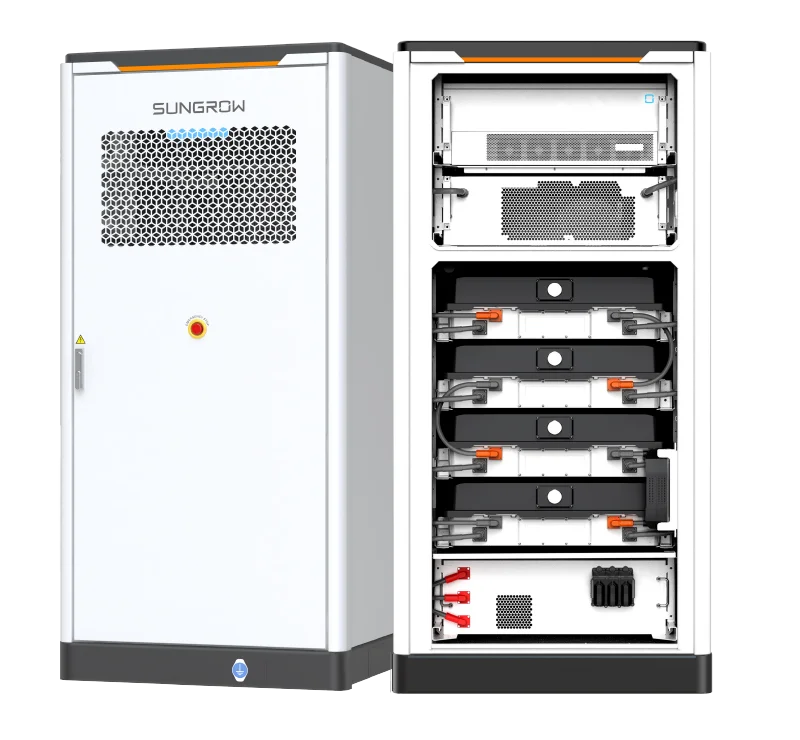
AC – Coupled Battery System
- AC‑coupled storage allows commercial and industrial sites to add batteries to existing electrical and solar systems without major redesign, reducing cost, disruption, and installation time.
- By sitting on the AC side of the network, these systems can optimise self‑consumption, peak‑load reduction, and demand‑charge management across whole-site electricity use.
- AC coupling enables flexible participation in grid services and revenue stacking, regardless of how or when on‑site generation was installed.
- The architecture provides strong resilience benefits, supporting backup power and operational continuity during grid outages or constraints.
- Overall, AC‑coupled storage offers a future‑proof, scalable pathway for sites to cut energy costs, reduce carbon emissions, and unlock new revenue streams.
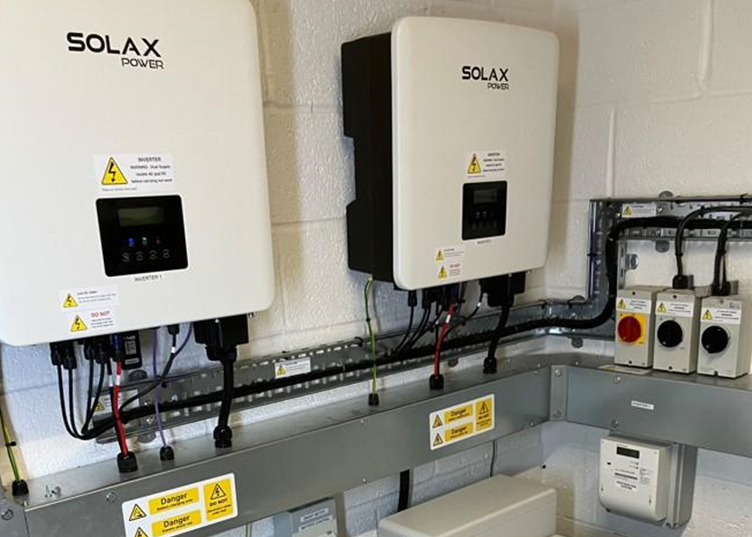
DC – Coupled Battery (Hybrid System)
- DC‑coupled storage enables direct integration with on‑site generation such as solar PV, minimising conversion losses and improving overall system efficiency.
- By charging the battery directly from DC generation, these systems maximise renewable energy capture and increase on‑site self‑consumption.
- DC coupling often reduces hardware requirements and balance‑of‑system costs, particularly for new‑build or solar‑plus‑storage installations.
- The architecture supports higher charging power during peak generation periods, helping sites manage export constraints and grid limitations.
- Overall, DC‑coupled storage provides a highly efficient, integrated solution for reducing energy costs, cutting carbon emissions, and optimising the performance of on‑site renewables
Frequently Asked Questions (FAQ's)
What is a commercial solar storage system and how does it work?
A commercial solar storage system uses batteries to store excess electricity generated by your solar PV system. Instead of exporting unused energy to the grid, the system stores it and supplies power to your building when demand is high, generation is low, or grid prices are expensive.
What are the main benefits of adding battery storage to commercial solar?
Battery storage helps businesses:
- Reduce electricity bills by maximising self‑consumption
- Avoid peak electricity charges
- Improve energy resilience during outages
- Protect against energy price volatility
- Support sustainability and net‑zero goals
Is battery storage suitable for my type of business?
Battery storage is most beneficial for businesses with:
- High daytime energy use
- Peak demand charges
- Variable or time‑of‑use tariffs
- Backup power requirements
- On-site renewables or EV charging
Systems can be tailored to offices, warehouses, factories, farms, retail sites, and public-sector buildings.
How large does a commercial battery system need to be?
System size depends on factors such as:
- Your electricity consumption profile
- Solar generation capacity
- Peak demand levels
- Tariff structure
A detailed energy analysis is always carried out to specify the optimal battery size for your business goals.
What is the typical lifespan of a commercial battery?
Most modern commercial lithium-ion batteries have a lifespan of 10–15 years, or 6,000–10,000 cycles, depending on usage and operating conditions. Warranties typically cover performance over 10 years.
Can battery storage provide backup power during outages?
Yes. When configured correctly, battery systems can provide backup or emergency power during grid outages. Critical loads such as IT systems, lighting, refrigeration, or security can be prioritised.
What financial returns can businesses expect?
Returns come from:
- Reduced grid imports
- Peak demand reduction
- Tariff optimisation (charging when cheap, discharging when expensive)
- Potential grid services or flexibility markets
Payback periods typically range from 5–10 years, depending on tariffs, incentives, and system usage.
Are there grants or incentives available for commercial battery storage?
Availability varies by region and over time. Some businesses may benefit from:
- Capital allowances (e.g. enhanced tax relief)
- Local authority or innovation funding
- Grid flexibility payments
An up‑to‑date incentive review should always be completed before installation.
How safe are commercial battery storage systems?
Commercial battery systems are designed with multiple safety measures, including:
- Battery management systems (BMS)
- Thermal protection and fire suppression options
- Compliance with UK and international safety standards
Professional installation and correct system design are critical for safety and reliability.
Can battery storage be added to an existing solar PV system?
Yes. Many commercial battery systems are retrofitted to existing solar PV installations. Compatibility is assessed based on inverters, electrical infrastructure, and site capacity, but most systems can be successfully upgraded.
Why Choose Green Systems Engineering
When you choose us, you’re choosing a knowledgeable and trusted partner focused on maximising the value of your commercial solar and battery storage investment. We take a data‑driven, site‑specific approach, designing systems that reduce energy costs, improve operational resilience, and support your long‑term sustainability goals.
From initial feasibility assessments and detailed technical design through installation, commissioning, and ongoing support, we deliver reliable, future‑proof solutions that perform in the real world—not just on paper. Our commercial clients value our clear advice, robust engineering, and commitment to delivering measurable outcomes that genuinely benefit their business.
Our focus is simple:
clear guidance, well‑engineered systems, and energy solutions you can trust.
Contact us today to discuss your site and discover how Green Systems Engineering can help commercial solar and battery storage reduce your energy costs and strengthen your overall energy strategy.