Choosing an MCS-certified installer guarantees a high-quality renewable energy system. MCS certification signifies adherence to stringent performance and safety standards, verifying both equipment quality and installer competence. This rigorous vetting process ensures installers demonstrate proven compliance with MCS standards, providing assurance in their technical expertise and the reliability of your installation.
SOLAR PV FOR DEVELOPERS,NEW BUILD AND SELF BUILD PROJECTS
Modern developments, built for compliance, efficiency and long-term value
Why Choose Solar PV

Improved Project Viability and Asset Value
- Reduces operational energy costs from day one, improving whole‑life building economics
- Supports higher EPC ratings, increasing asset value and long‑term attractiveness
- Enhances occupier appeal through lower running costs and visible sustainability
- Strengthens investor and funder confidence in future‑ready, efficient developments
Planning, Compliance, and Future Proofing Benefits
- Provides a proven, low‑risk route to meeting planning and Building Regulation requirements
- Supports local authority net‑zero and sustainability policies at design stage
- Reduces the risk of costly retrofits driven by future regulation changes
- Helps future‑proof developments against tightening energy and carbon standards

Ground Mounted or Car Park Canopy Solar PV
- Mature, well‑understood technology with predictable performance and yields
- Quick to install with minimal programme risk when designed in early
- Scalable across roof sizes and building types without adding design complexity
- Integrates seamlessly with heat pumps, EV charging, and battery storage
Solar PV Installation Options to Suit Every Development
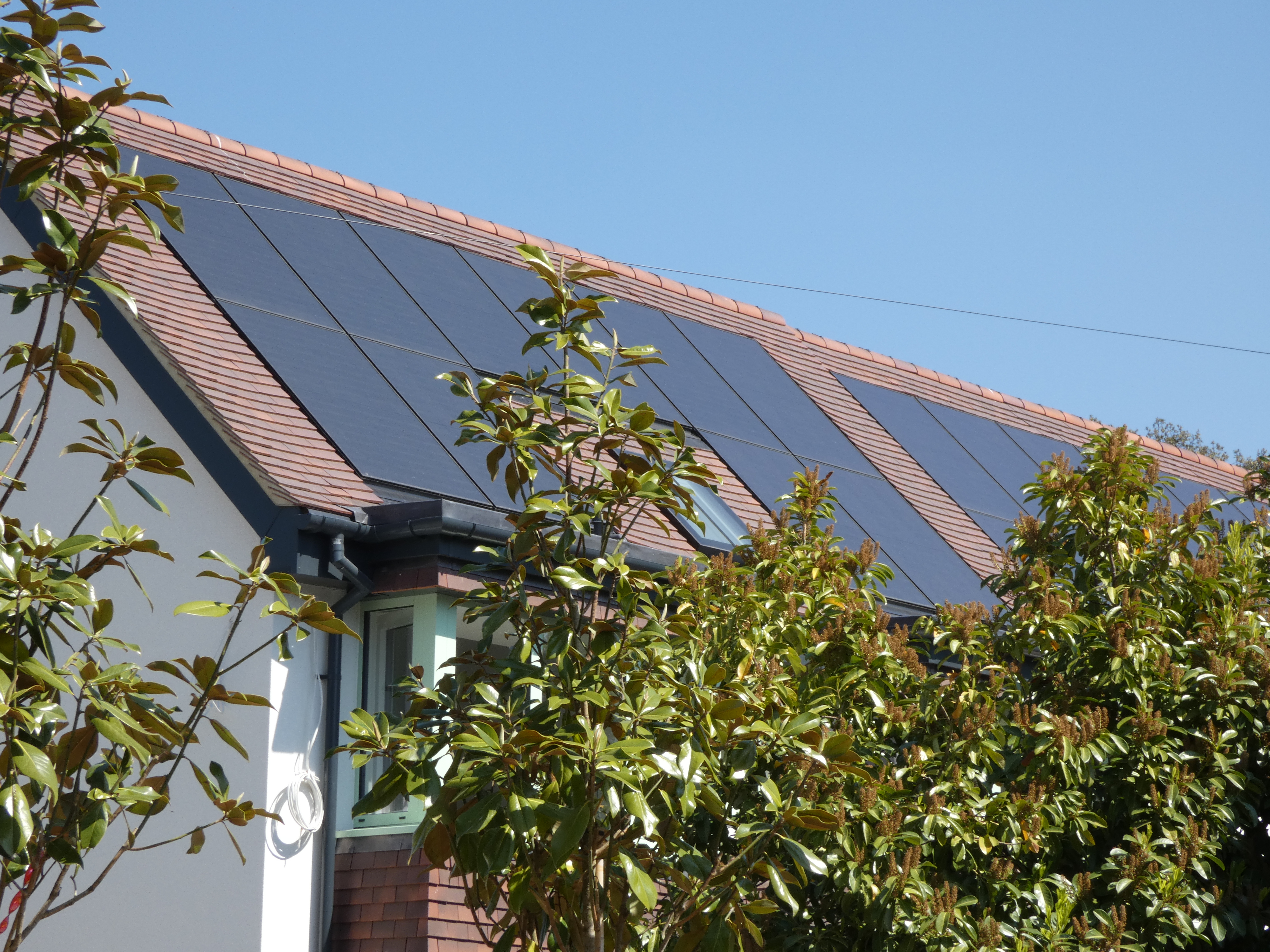
Building Integrated Photovoltaics (BIPV)
- Combines building fabric and energy generation into a single solution
- Enhances architectural quality on design‑led or sensitive sites
- Can improve planning acceptance where aesthetics matter
- Reduces duplication of materials within the envelope
- Delivers long‑term value through improved sustainability credentials
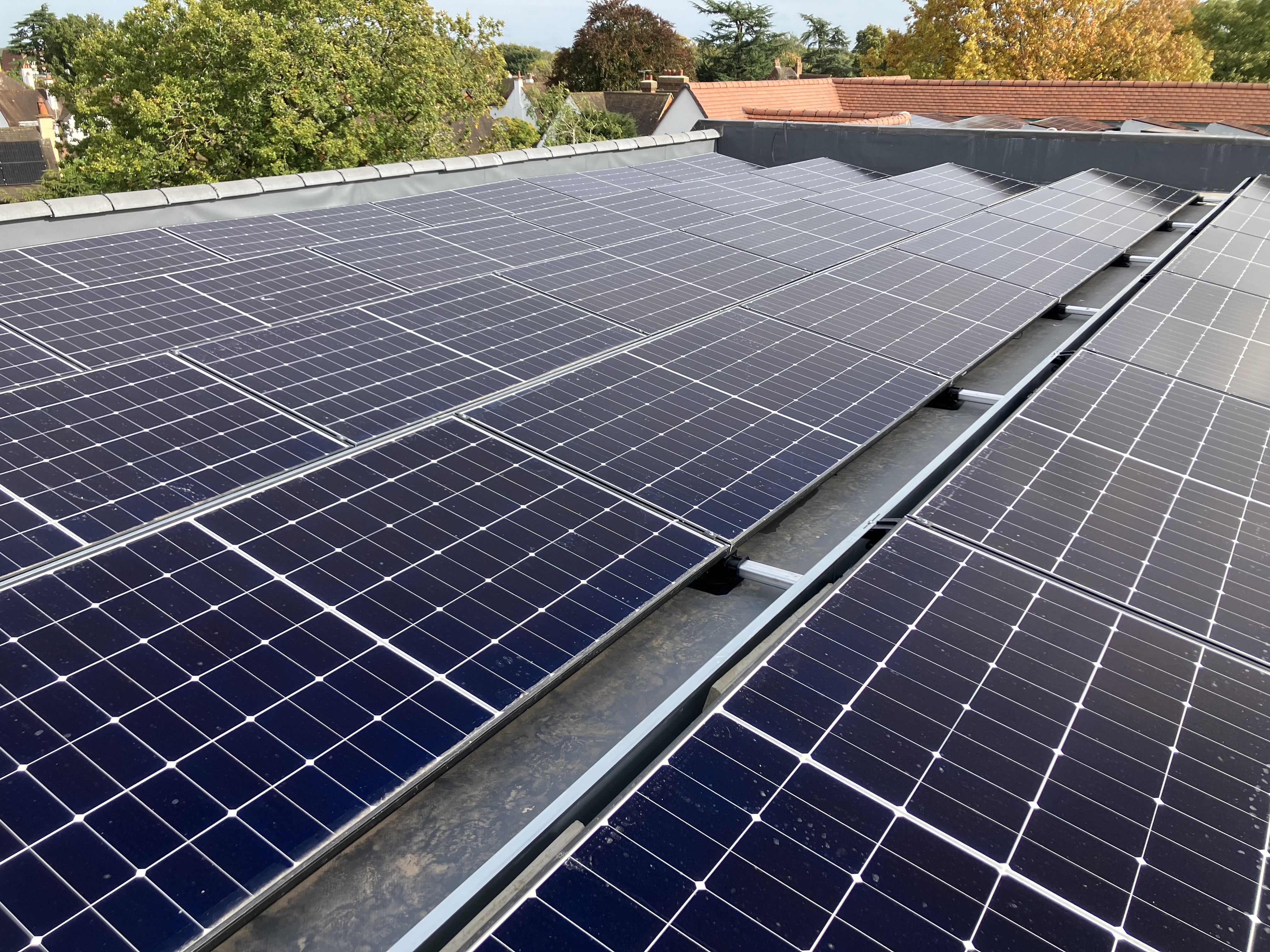
Roof Mounted Solar PV (Flat or Pitched Roofs)
- Maximises unused roof space with no loss of lettable area
- Simple to design in early, keeping planning and programme risk low
- Improves EPC ratings and Part L compliance across the development
- Cost‑effective, proven technology with predictable outputs
- Fast installation with minimal impact on construction schedules
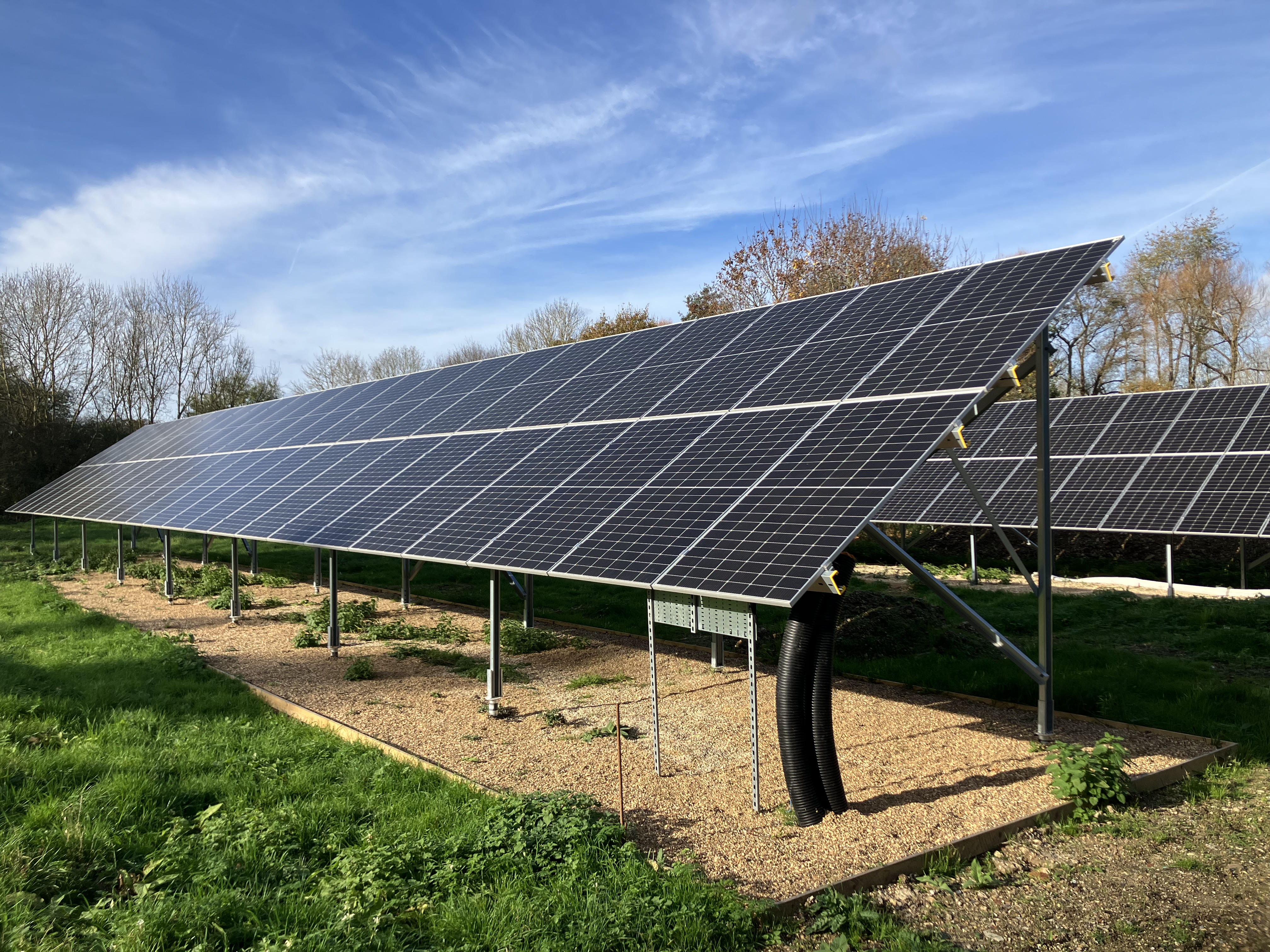
Ground Mounted or Car Park Canopy Solar PV
- Enables larger system sizes than roof space alone allows
- Ideal for pairing with EV charging and future mobility demands
- Turns car parks or open land into income‑generating assets
- High generation potential supports shared or landlord energy models
- Strong long‑term returns for large or mixed‑use developments
Frequently Asked Questions (FAQ's)
Why should developers include solar PV in new developments?
Solar PV improves overall project viability by reducing operational energy costs, increasing EPC ratings, and enhancing asset value. It helps future‑proof developments against tightening energy regulations while making schemes more attractive to occupiers, investors, and funders.
Does solar PV help with planning approval?
Yes. Solar PV is widely viewed as a positive planning measure, supporting local authority sustainability and net‑zero objectives. Integrating solar early can strengthen planning submissions and reduce the risk of conditions requiring costly post‑planning amendments.
Will solar PV affect construction programme or build risk?
When designed in early, solar PV presents minimal programme risk. Roof‑mounted systems install quickly toward the end of construction and are a well‑understood technology with reliable supply chains and predictable delivery timelines.
How does solar PV improve development viability?
Solar PV lowers long‑term energy costs, improves EPC scores, and can reduce contribution requirements linked to compliance. These factors strengthen whole‑life cost assessments, making schemes more financially robust and competitive.
Is solar PV still worthwhile without subsidies?
Yes. Solar PV is now a mature and commercially viable technology. Falling equipment costs and rising electricity prices mean strong returns can be achieved without reliance on incentives, particularly in developments with high on‑site energy use.
Can developers retain control of the solar asset?
Yes. Developers can choose to retain ownership, create landlord energy models, or structure power purchase arrangements. This flexibility allows solar PV to generate long‑term income or enhance investment yield rather than simply being a compliance measure.
How does solar PV support future proofing?
Solar PV aligns developments with long‑term decarbonisation goals, reducing reliance on grid energy and protecting buildings against future regulation, carbon costs, and retrofit risk. It ensures assets remain relevant and compliant over their lifespan.
Does solar PV limit future roof use or expansion?
With good design, no. Systems can be laid out to allow future plant, roof access, or system expansion. Early coordination ensures solar PV integrates cleanly with other building services.
What types of developments benefit most from solar PV?
Almost all—residential blocks, offices, industrial units, retail, and mixed‑use schemes benefit. Developments with shared services, landlord loads, or EV charging see particularly strong returns.
When should solar PV be considered in the development process?
As early as possible. Incorporating solar at concept or planning stage delivers better system design, lower costs, smoother approvals, and stronger financial outcomes than retrofitting later.
Engineering Energy Confidence into Every New Build
Developers, new‑build projects, and self‑builders increasingly recognise that energy design decisions made early will define a building’s performance, compliance, and value for decades. Green Systems Engineering provides the technical clarity and engineering confidence needed to get those decisions right from the outset. We take a practical, site‑specific, and data‑driven approach, ensuring solar PV, heat pumps, and integrated energy systems are sized correctly, compliant with current and future regulations, and aligned with the commercial realities of your project. Our focus is not on overselling technology, but on delivering robust, buildable solutions that support planning success, improve viability, reduce long‑term running costs, and protect asset value.
Contact Green Systems Engineering today to discuss your project and benefit from early engineering input that de risks planning, improves viability, and delivers energy systems you can rely on from day one.